
Commercial solar is built for a long run, but long does not mean automatic. A strong design, proper equipment selection, and a clean installation give the system a good start. After that, the real work is asset management. Sunshine Renewable Solutions operates out of Houston, and we view the best projects as compact power plants, not roof decor with a utility bill side hustle. For owners evaluating commercial solar lifespan across growing commercial districts, offices, warehouses, and community-serving properties southwest of Houston, the question is not only, “Did the array get installed correctly?” It is, “Who is watching it next month, next summer, and ten hurricane seasons from now?”
Quality engineering matters because the array must handle Texas heat, grid requirements, roof conditions, electrical loads, and daily use at the property. Good installers think through conduit paths, inverter placement, production modeling, access for service, and warranty requirements before the first panel lands on site. Still, even an excellent installation cannot control pollen, dust, rodent activity, firmware errors, storm debris, blown fuses, or vegetation growth after turnover. That is where solar operations & maintenance enters the picture. It keeps the design from becoming a clean set of drawings nobody checks.
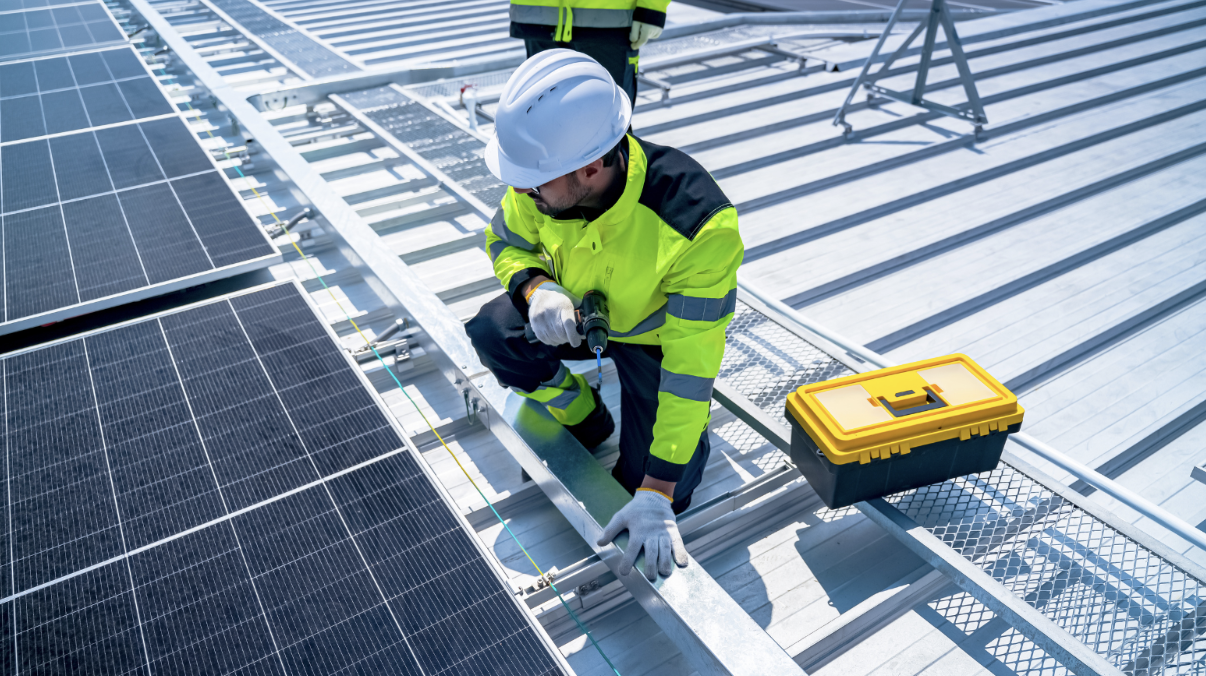
Professional solar o&m is the practical routine that protects production. It includes scheduled inspections, inverter diagnostics, panel cleaning, electrical testing, torque checks, thermal imaging, monitoring review, vegetation management, and wildlife mitigation. None of that is glamorous, but neither is changing the oil in a fleet truck, and nobody argues with the invoice when the engine is still running at 200,000 miles. A dirty panel edge, a loose connector, or a silent communication fault may not look urgent from the parking lot. On the monthly production report, however, those little misses can start wearing a hole in ROI.
Thermal imaging can flag overheated conductors or module issues before a failure spreads. Inverter diagnostics can reveal faults that reduce output long before someone notices a power bill moving the wrong direction. Vegetation control helps prevent shading and access problems. Panel cleaning can matter when dust, pollen, bird activity, or nearby construction leaves the array looking ready for a car wash coupon. Early attention is often the difference between a quick service visit and a repair that requires downtime, parts, and several sighs from the accounting department.
The value of O&M is not just fixing things. It is creating a record of system health, preserving warranty support, and helping owners make decisions with real production data. When maintenance teams document inspections, test results, cleaning needs, and corrective work, owners have a clearer view of the asset. That helps maximize uptime, extend equipment life, and protect returns over the full operating window.
For companies considering Richmond solar installers, Sunshine Renewable Solutions emphasizes the service habits that keep commercial arrays producing while the property and utility needs continue to change. Set it and forget it sounds nice until the inverter forgets to report, grass grows into the array, or a squirrel decides the conduit is a studio apartment. With preventative maintenance, the story is better: steadier production, fewer surprises, cleaner records, and a solar asset that keeps doing the job it was built to do.