

Energy markets have always been influenced by events that happen far beyond a company’s property line. A conflict overseas, a fuel supply disruption, a major storm, or a summer demand spike can affect utility costs in Houston. Businesses cannot set global fuel prices or control the next weather event.
They can, however, take more control over how much electricity they purchase from the grid. That is where commercial solar becomes a practical tool for business energy cost management.
Here’s the rub: utility bills are not static expenses. Rates can change, peak usage can raise costs, and planning becomes harder when energy prices move in the wrong direction. Utility planning should not feel like a monthly episode of “The Price Is Right.”
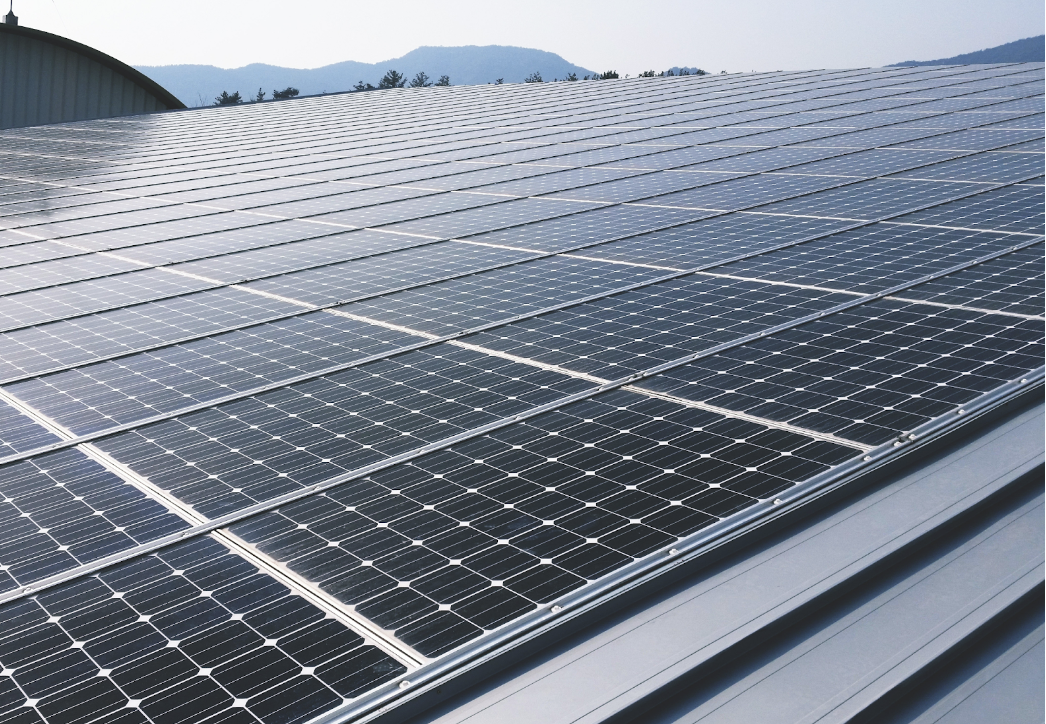
On-site solar generation helps reduce that uncertainty. A properly designed system produces electricity at the property, which lowers the amount of power purchased from the utility. For a warehouse, manufacturing facility, office building, or retail location, that can create a clearer view of long-term operating costs.
Consider a distribution center with heavy daytime electricity use. Solar panels can generate power during the same hours when equipment, lighting, HVAC systems, and charging stations are active. The result is not total independence from the grid. It is a measured reduction in exposure to utility price changes.
For businesses comparing solar companies in Richmond, evaluating a Richmond solar company, or reviewing Richmond solar companies, the key question is not simply how many panels fit on the roof. The better question is how the system supports the property’s load profile and financial goals.
Battery storage can improve the value of a commercial solar system by giving a business more flexibility over when stored electricity is used. One common application is reducing peak-demand charges. If a facility draws a large amount of electricity during a short period, that spike can influence the monthly bill. A battery can discharge during those high-use periods and reduce the peak.
Storage can also support operations during grid disruptions when the system is designed for backup capability. A Houston business may choose to support critical loads such as refrigeration, security systems, communications equipment, or selected production processes. The goal is not to power every outlet indefinitely. The goal is to keep essential operations moving when the grid has a bad day.
Commercial solar is often discussed as a sustainability initiative, and the environmental benefits matter. But the financial case deserves equal attention. Commercial solar ROI can include reduced electricity purchases, lower peak-demand charges when storage is included, and improved budget stability over the life of the system.
At Sunshine Renewable Solutions, we view solar planning as an infrastructure decision. A useful proposal should account for energy usage, site conditions, utility rate structure, operating priorities, and long-term goals. Equipment matters, but design matters more.
Renewable energy does not remove every energy risk. It gives businesses a practical way to manage the risks they can influence. For Houston organizations looking at long-term performance, greater control over energy production can support better planning, stronger resilience, and a healthier bottom line.